
Instruments
The Sound of Wood
Carl Mueller has spent four decades developing a family of original wood-based electro-acoustic idiophones. Each instrument is a one-of-a-kind object — part sculpture, part musical instrument — built from natural materials and amplified with piezo transducers.
The Idea
Carl's instruments combine wood, sculptural design, vibration, ergonomics, tuning, physics, and piezo pickup technology. The work began with sculptural experiments in the 1980s — large, cumbersome objects that produced sounds he had never heard before.
Over decades, his development increasingly focused on making the instruments lighter, tunable, portable, consistent, and reproducible for practical performance. The instrument is played by hand — struck, plucked, and swept across an array of wooden tines. The performance is as visual as it is musical.
The Evolution
From the first sculptural idiophones of 1989 through the Fence / Carlophone of 2012, each instrument carried forward what the previous one taught.
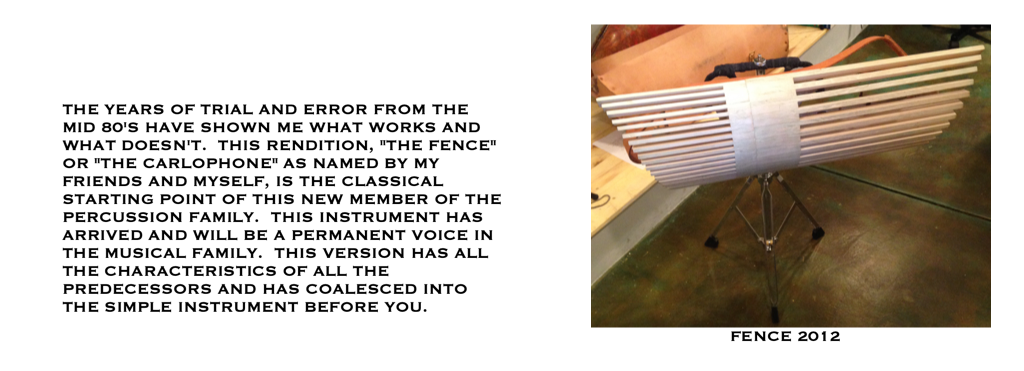
2012
The Fence / Carlophone
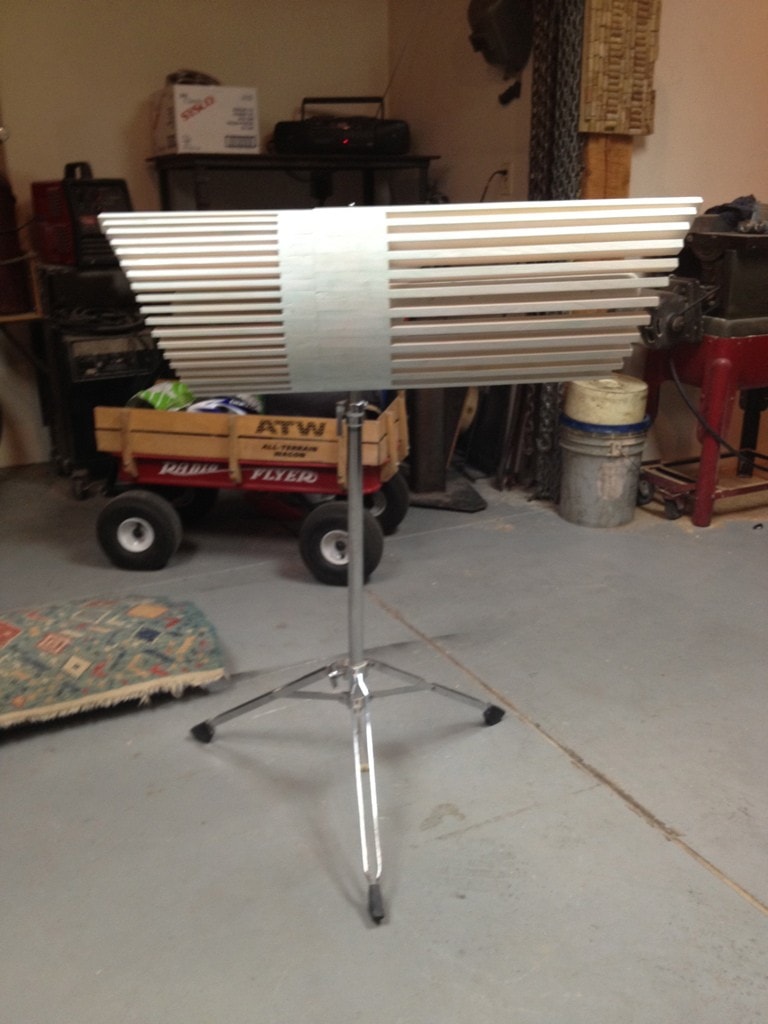
The current performance instrument. Lighter, tunable, portable, and consistent — the result of more than 25 years of iteration. Can be played standing, worn like a guitar, or set on a stand.
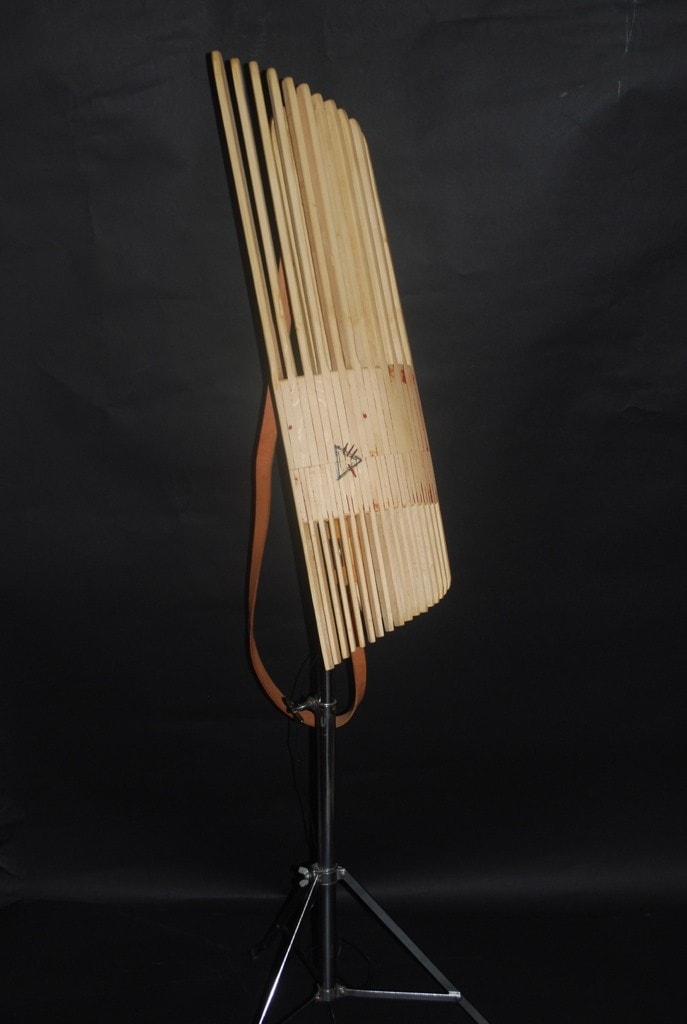
2011
Element
Natural wood tones, leather strap, and metal hardware. Spare and direct — a distillation of the instrument concept.
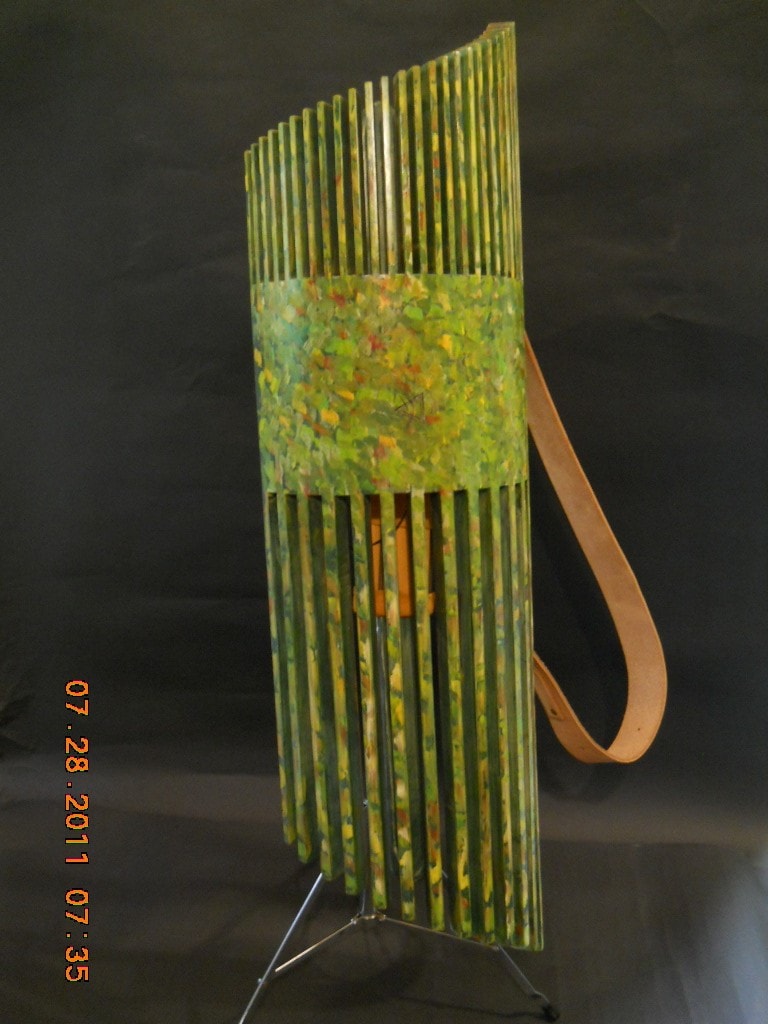
2011
Vibe
A lighter, more portable instrument with a distinctive green-painted construction and leather strap. Vertical format, stand-mounted.
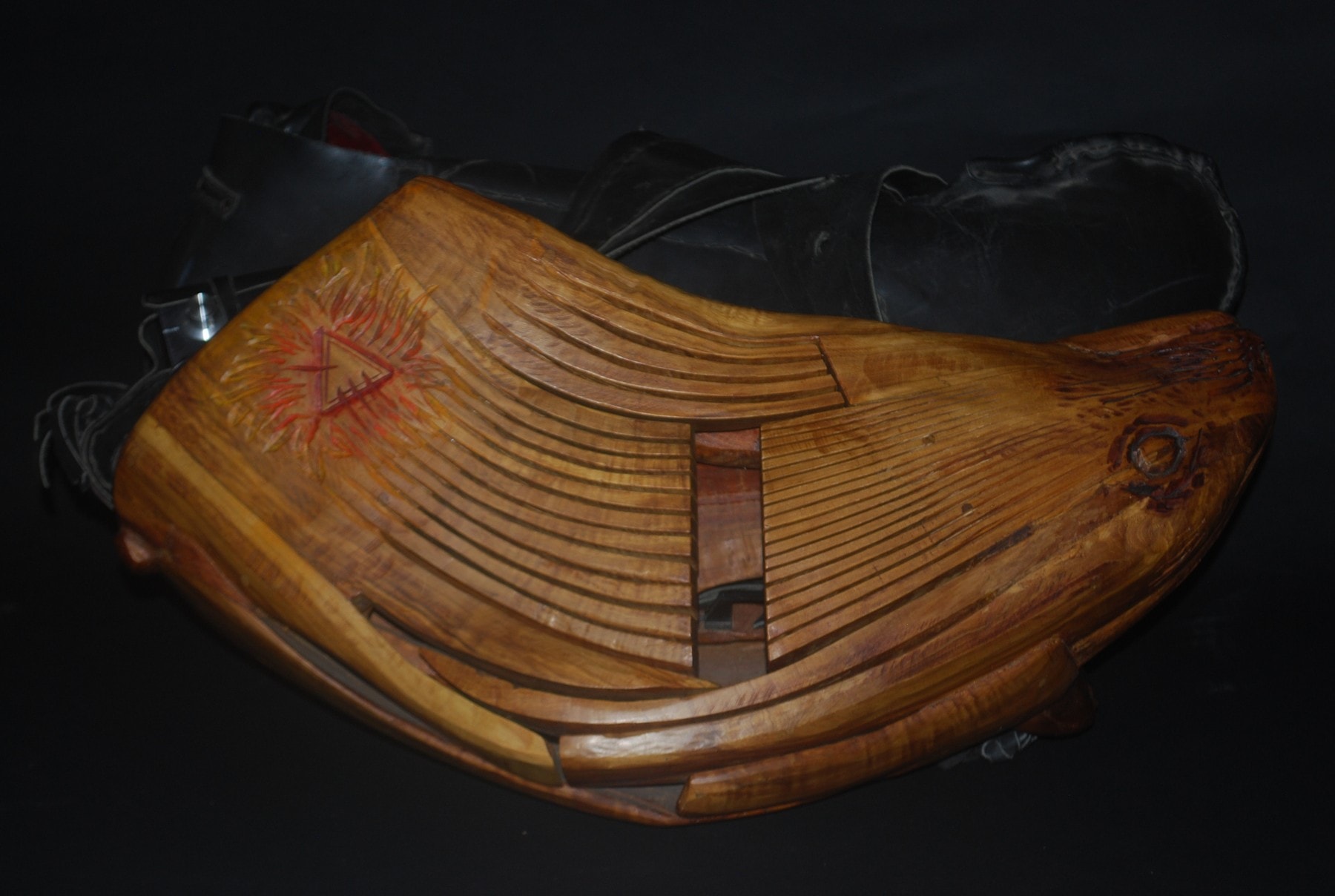
1993
Burning Seal
Curved body, carved surface markings, warm wood tones. An instrument that reflects Carl's deepening understanding of how shape and material work together acoustically.
1992
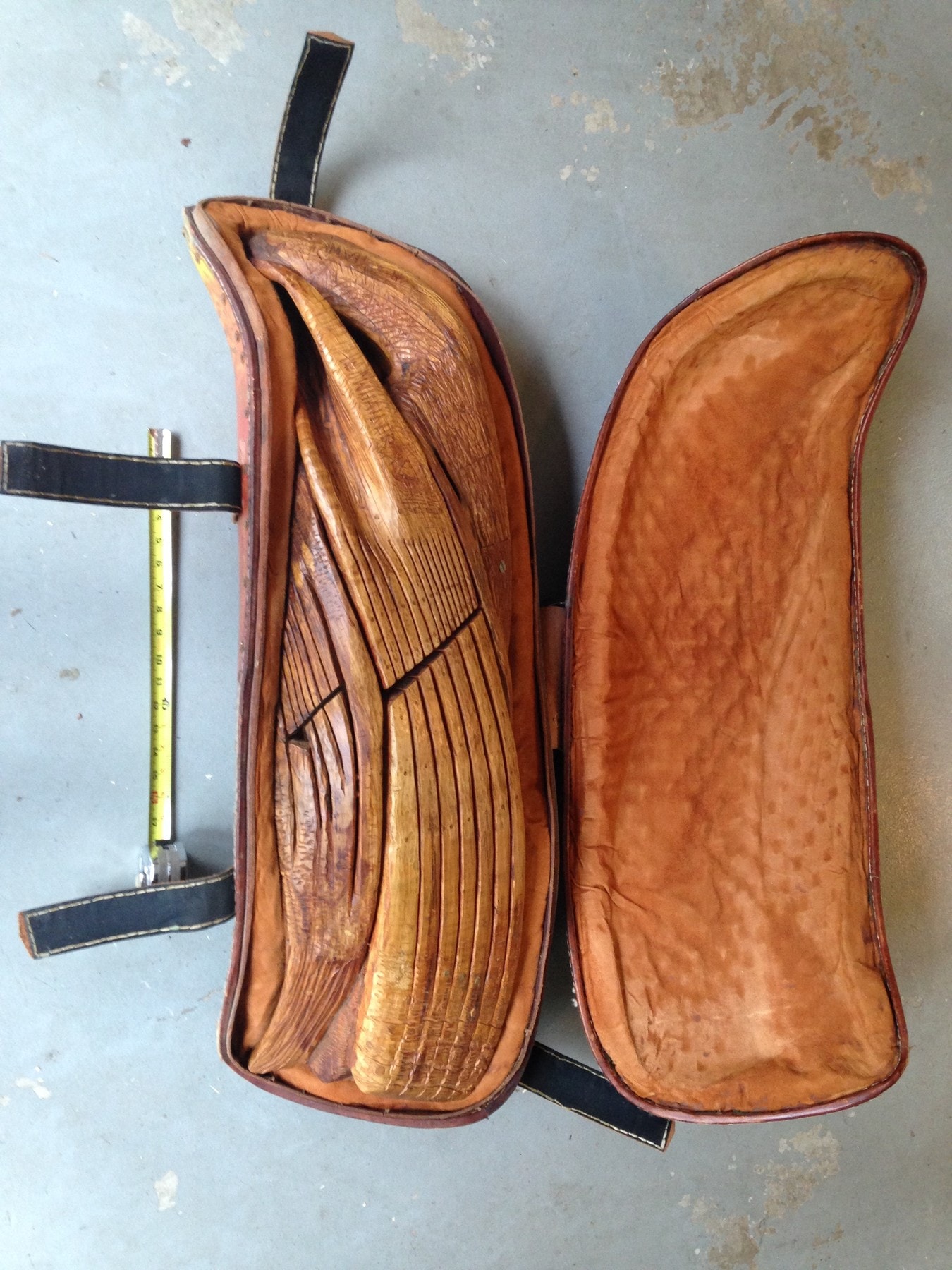
Whailer
A step toward a more practical instrument — still sculptural, but beginning to address the ergonomic and acoustic lessons of the earlier work.
1989
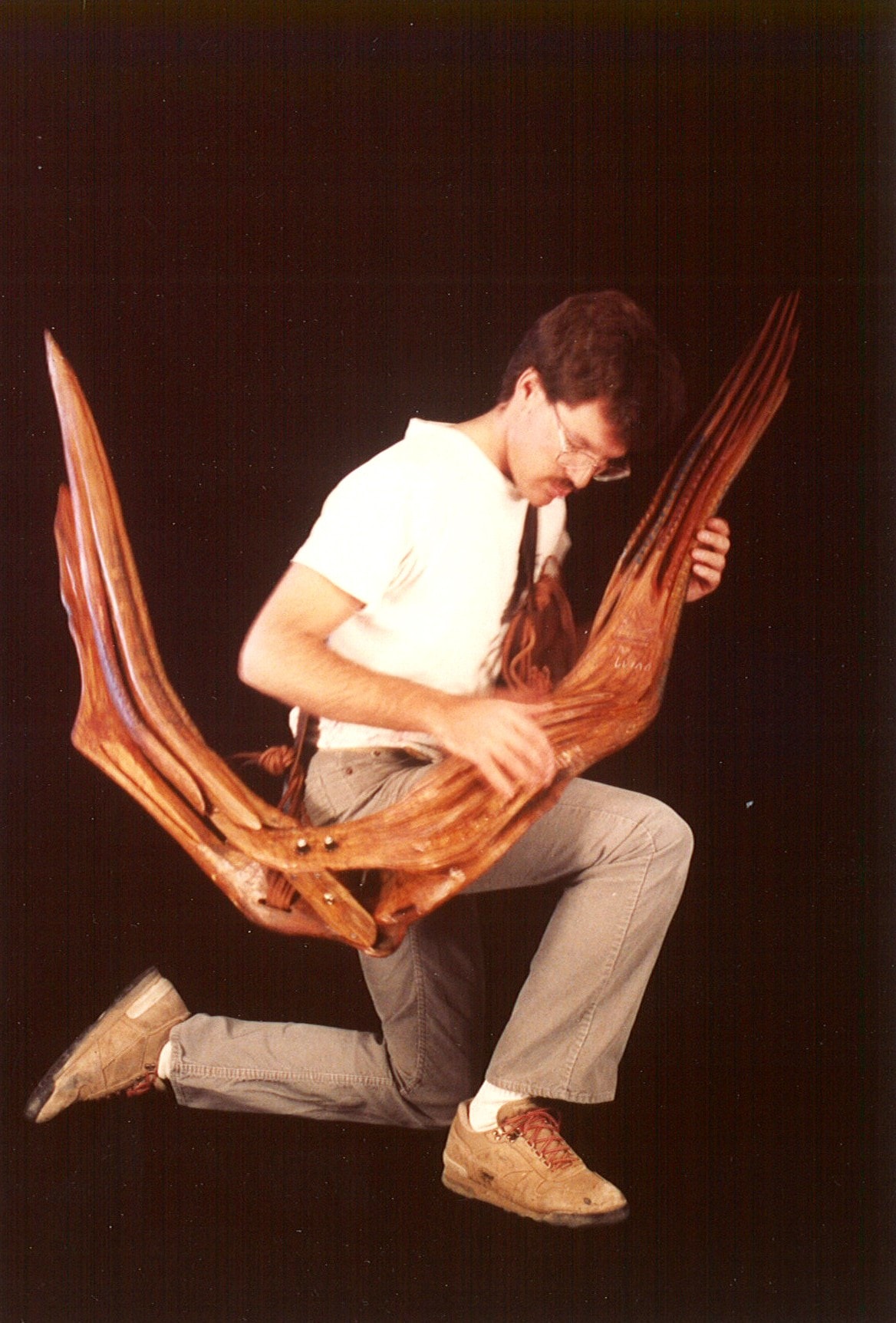
Wind
The instrument Carl brought to California when he met Les Barcus and John Berry. The first of his instruments to be amplified with piezo technology.
1989
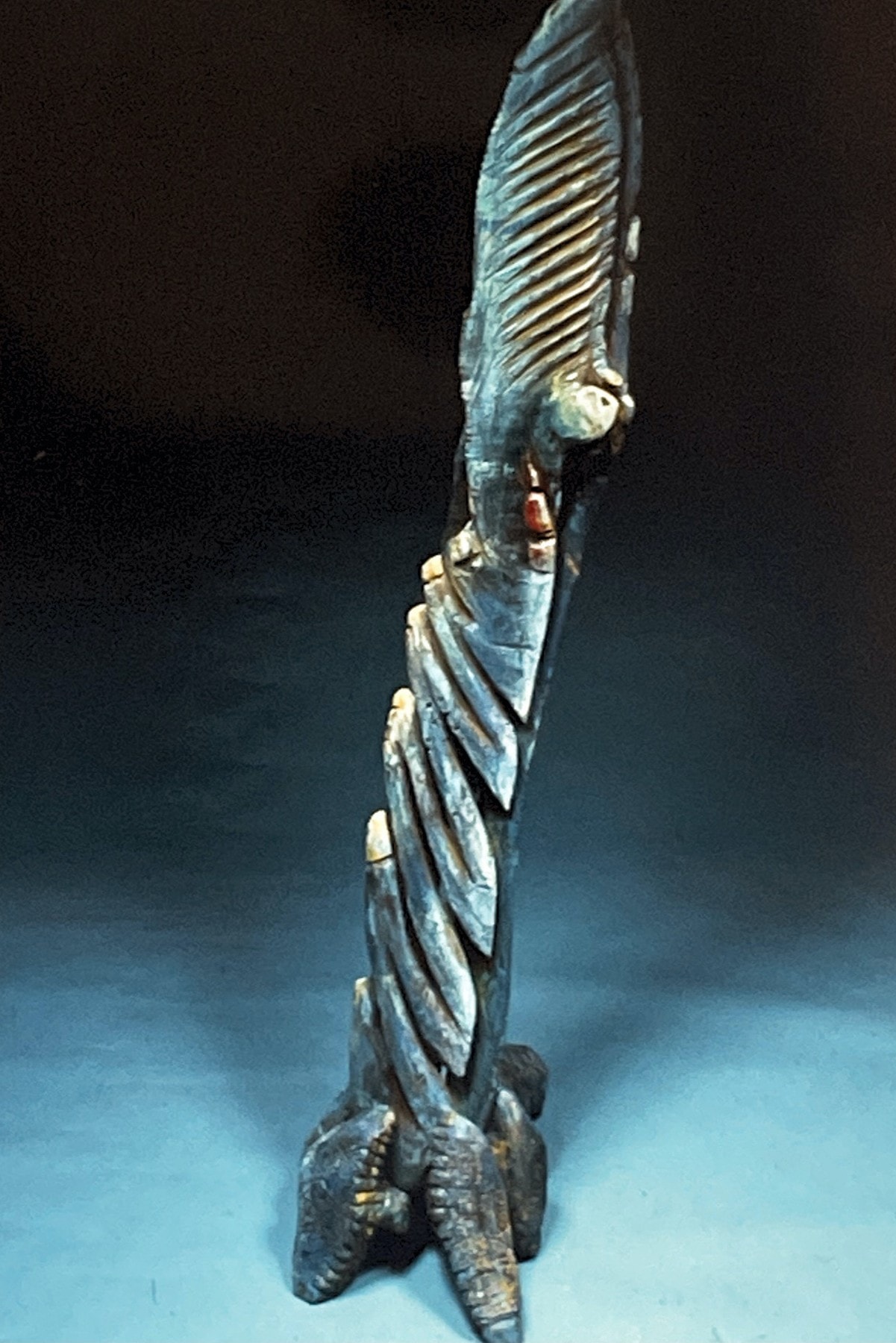
Bana Ana
A tall, twisting sculptural form with carved surface detail and a distinctive blue-toned finish with brass accents.
1989
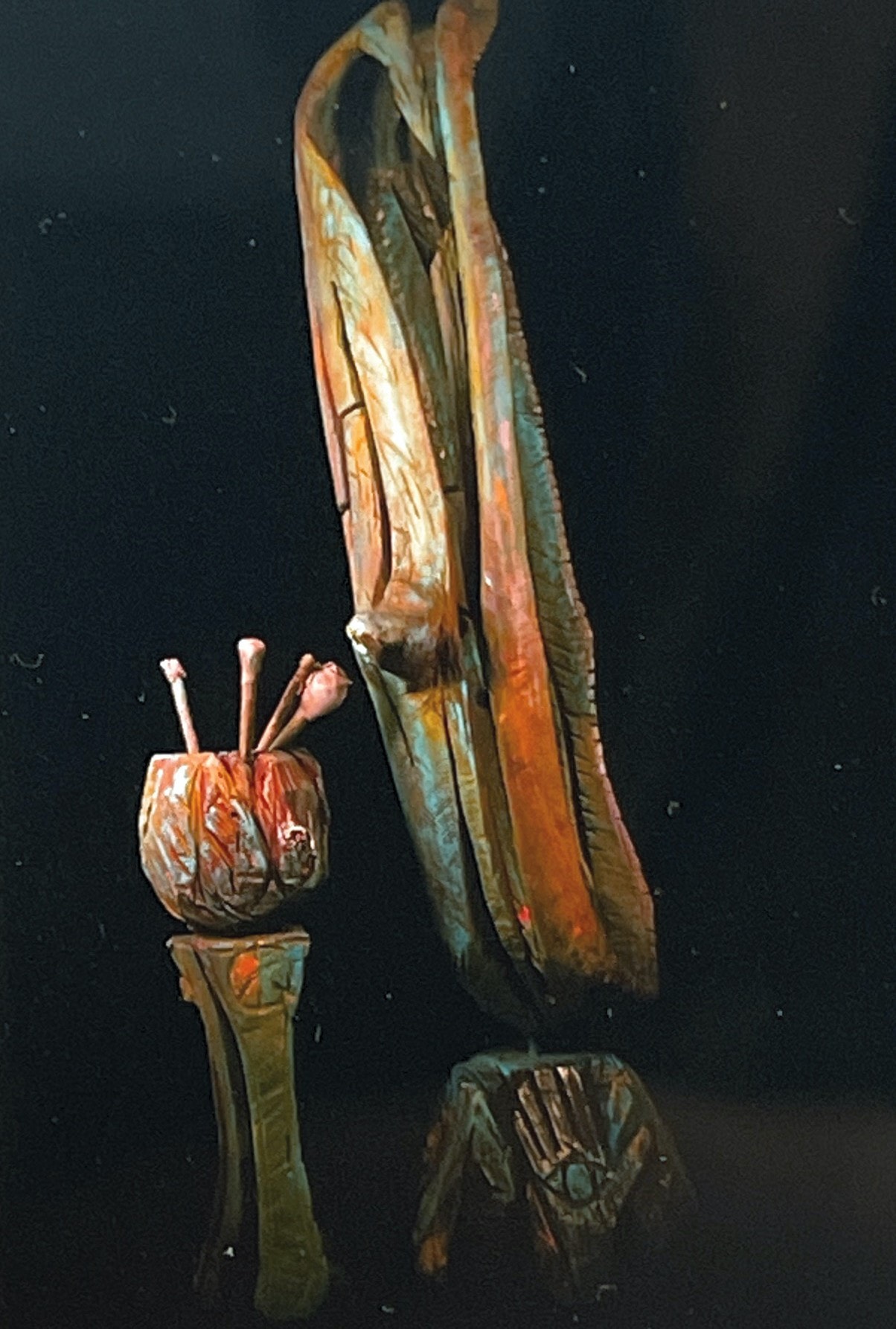
Random Rhythms
One of Carl's earliest named instruments. Followed the natural grain and shape of the wood, treating the material as a collaborator rather than a medium.
Inside the Build
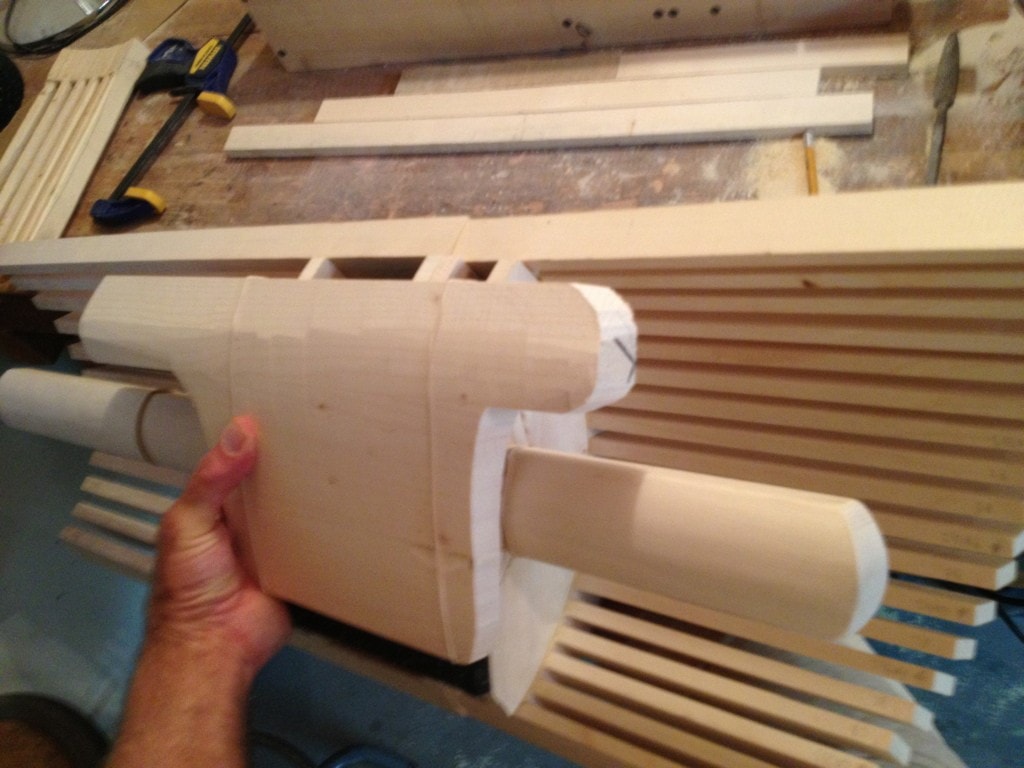
Carl builds every instrument himself. These workshop photographs document the construction process — from raw tine arrays and carved body components to final assembly and pickup integration.
Current Evolution
Current Evolution: Mahogany 2022
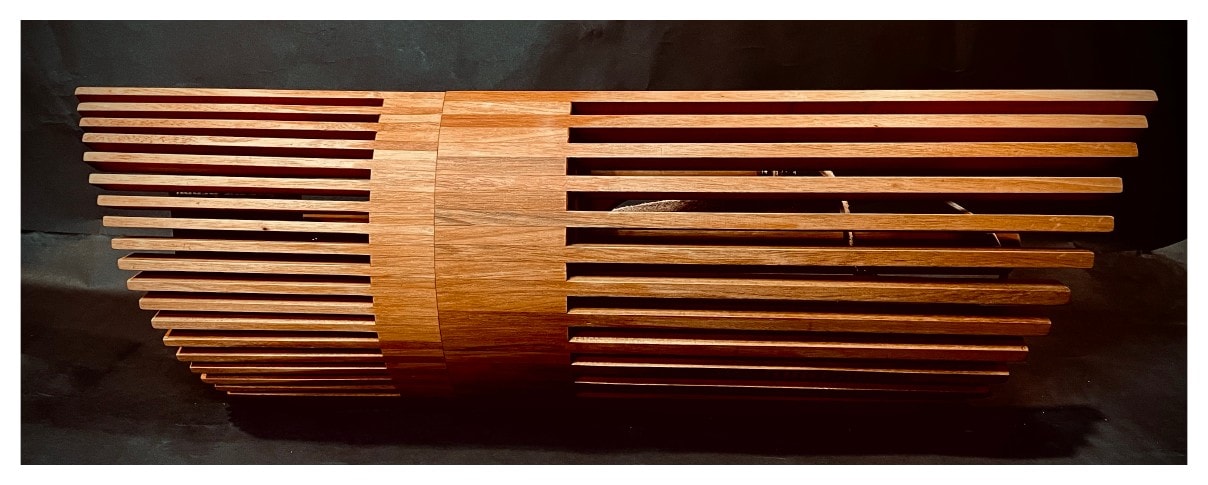
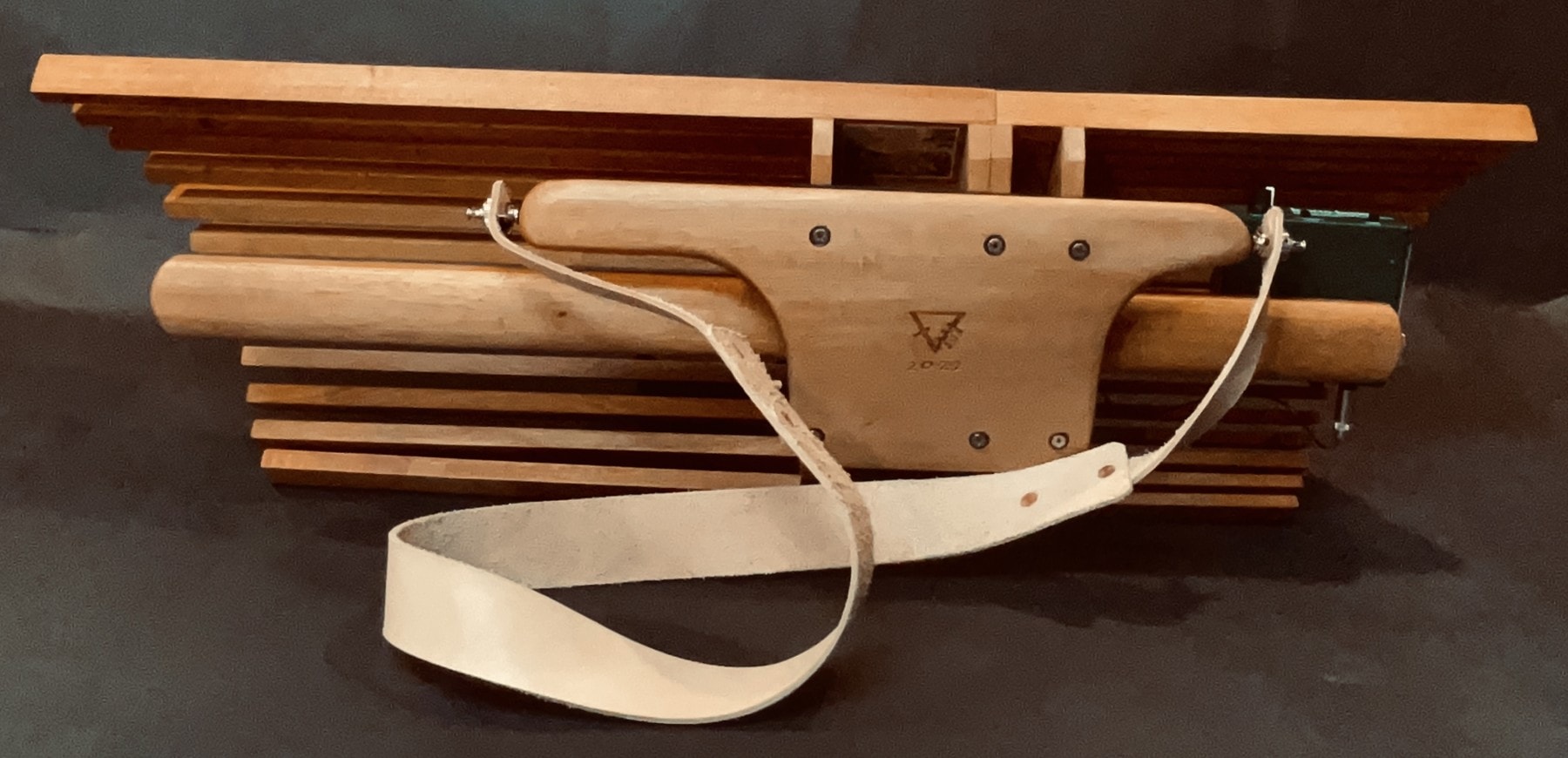
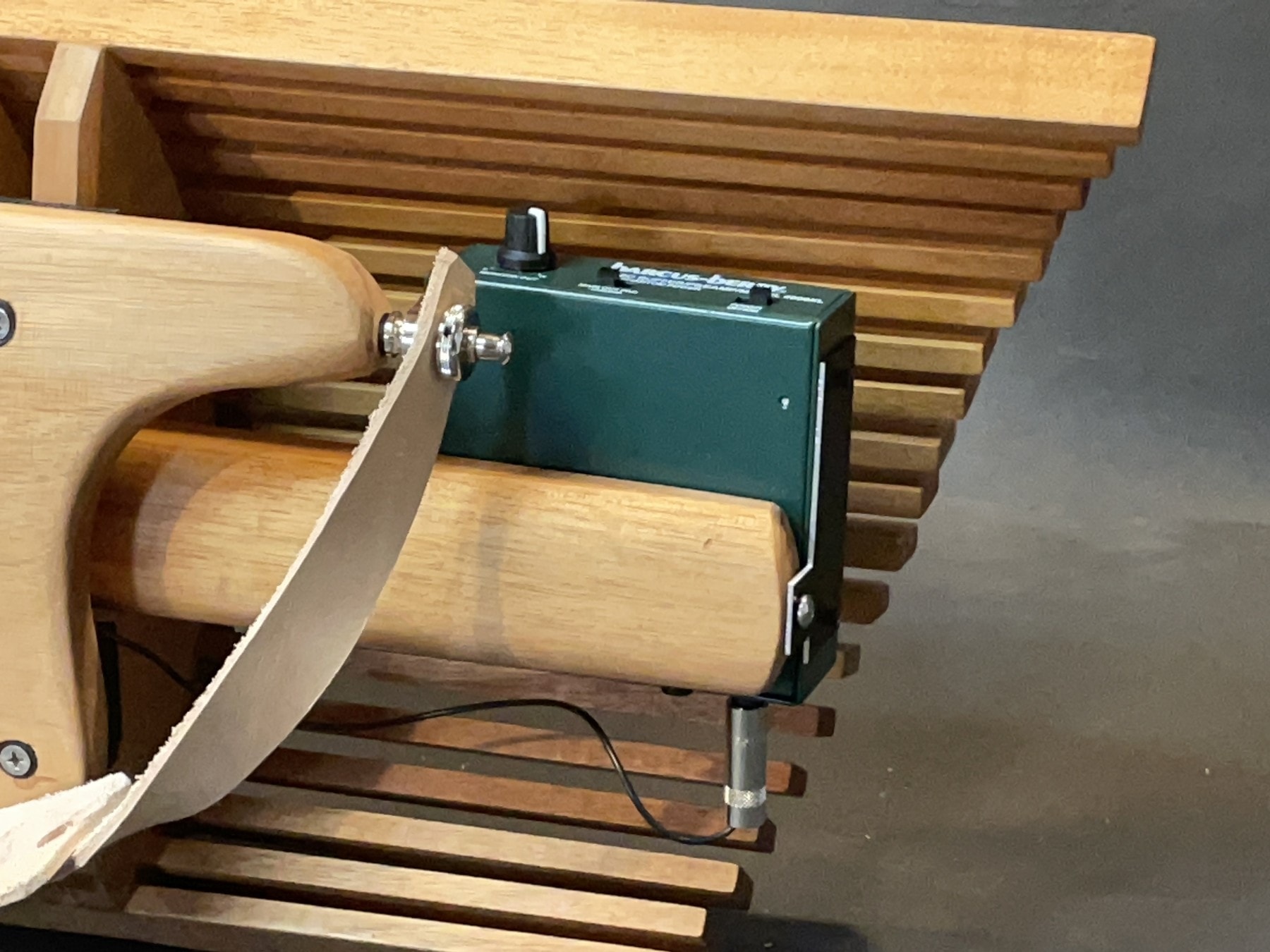
The Mahogany 2022 represents the current state of Carl's instrument development. Built from mahogany, it carries forward the essential form of the Fence / Carlophone — a horizontal array of wooden tines played by hand — while refining the body design, hardware, and amplification.
The instrument is worn with a leather strap and amplified with a Barcus Berry preamp unit mounted directly to the body. The work continues.
Development Archive
Development Archive: Walnut Sisters
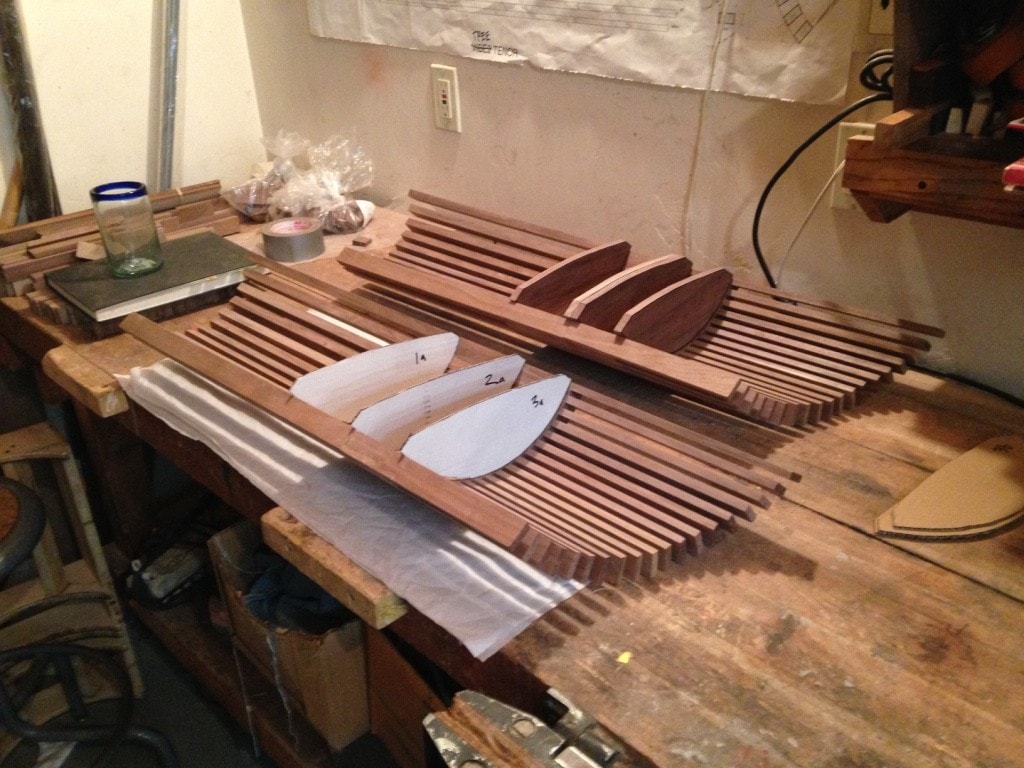
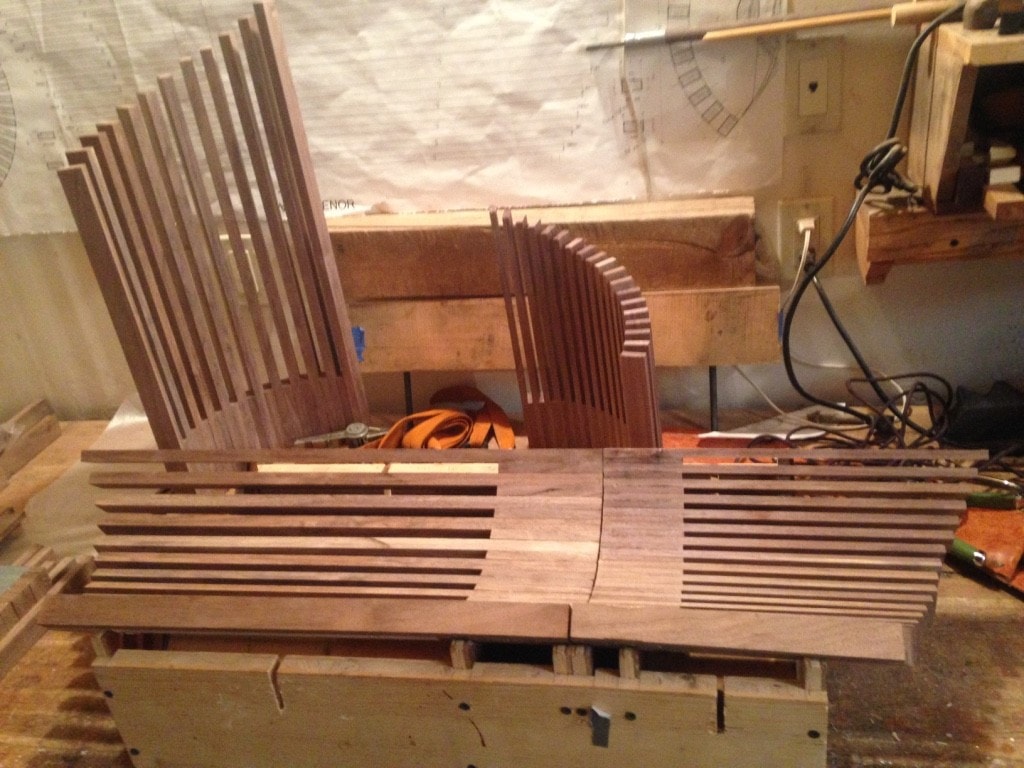
These workshop photographs document an ongoing development thread — a pair of walnut instruments Carl has been working on. The tine arrays, body templates, and assembly stages visible here are part of a continuing process of refinement, not a finished chapter.
The work shown here is in progress.
Watch Carl Play
The best way to understand what Carl does is to watch him play.